-
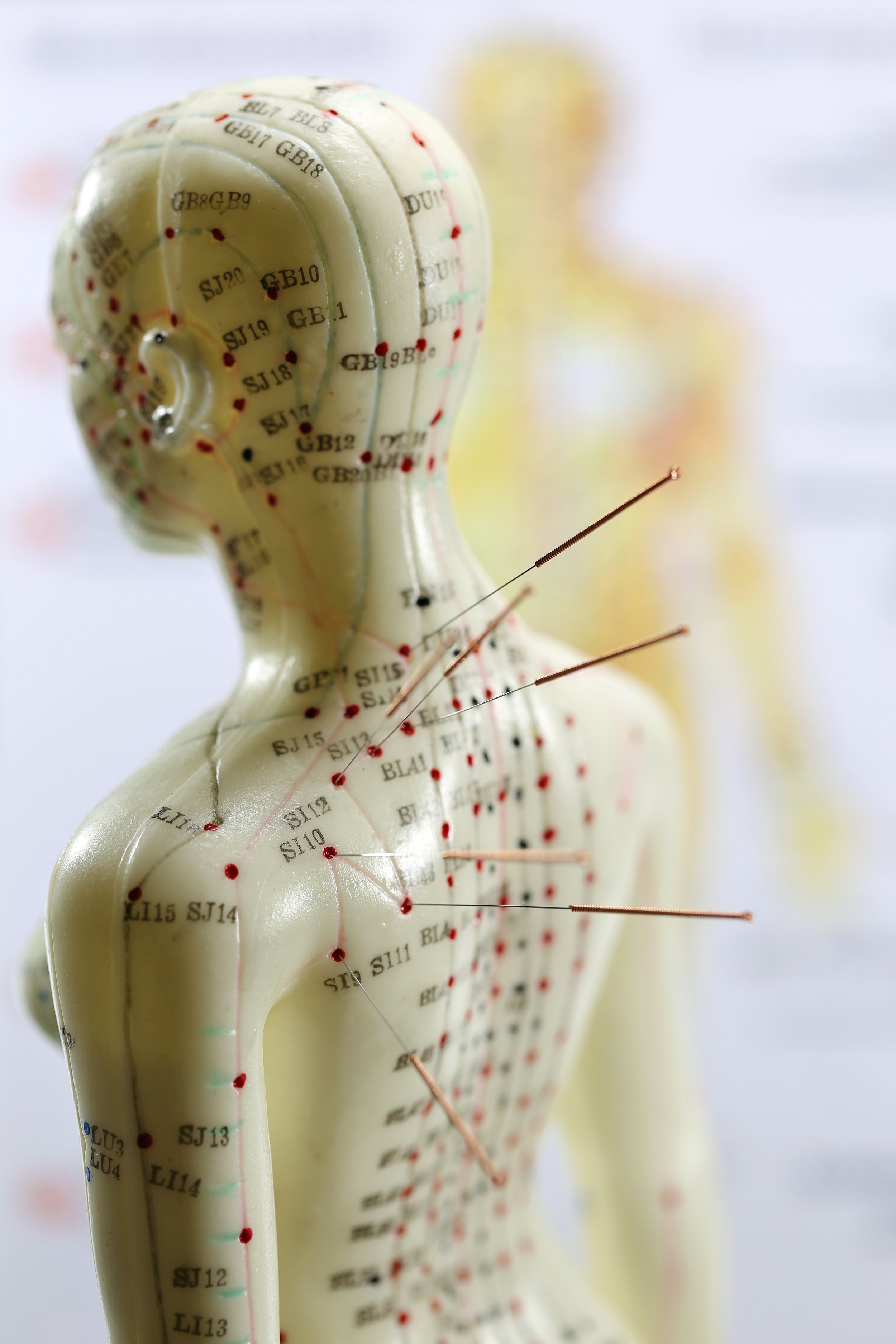
Acupuncture is the stimulation of specific biologically active points on the body to elicit predictable neuro-immune-vasuclar responses using sterile, single-use, ultra-fine needles (about the width of 2-3 human hairs).
Acupuncture is just one component of East Asian Medicine (EAM). Rooted in ecological observation over centuries, a pattern language based on cyclical seasonal phenomena was developed describing functional states and their dynamic interactions as an integrated system. EAM treatment is effective because it operates from this perspective, attending to the body-mind-environment as an ecosystem.
By modulating multiple body systems in harmony, acupuncture supports self-healing and regeneration. Treatment is safe, generally painless, and often enjoyable. Non-insertive treatments using Shonishin tools are available for children or those who prefer a less invasive technique.
An acupuncture treatment sometimes includes electrical stimulation, trigger point therapy, tui na (medical massage), gua sha, cupping or other modalities as needed to achieve the best outcomes.
-
Manual therapies
Cupping, a type of deep-tissue massage in which negative pressure is created using heat or suction in a small cup applied to the skin, increasing circulation and aiding in elimination of cellular waste.
Gua sha, the practice of gently scraping the skin to similarly increase circulation and aid elimination more superficially. Due to their therapeutic blood-moving capacity, both cupping and gua sha leave marks (petchiae) on the skin which usually resolve within 10 days.
Tui na, also called Chinese medical massage, is sometimes used alongside acupuncture. It includes techniques for myofascial release and soft tissue mobilization. It can be more intense than common massage, and because it targets ischemic, injured, or inflamed tissues can be uncomfortable at times during treatment and the following day as circulation is restored to affected areas.
Mind-body-lifestyle interventions
Coaching in somatic awareness, functional ergonomics and sleep posture
Mindful breathing exercises
Teaching of simple daoyin, qigong, and neigong exercises tailored to your treatment
-
Chronic and acute pain
Headache/Migraine
Back pain
Neck pain
Sports injuries
Arthritis
Fibromyalgia/CFS
Surgical recovery
Emotional well-being
Stress
Anxiety
Depression
Post-traumatic stress
Life transitions
Grief support
Women’s health
PMS
Irregular/Painful Periods
Menopause
Hormonal Imbalances
Fertility
Pregnancy Support
Immune issues
Allergies
Asthma
Sinusitis
Ear infections
Bronchitis
Autoimmune conditions
Post-viral syndromes
Adverse reactions
Digestive conditions
Heartburn
Nausea
Irregular bowel movements
IBS
Crohn’s
Gas and bloating
Functional GI issues
GERD
Also helpful with:
Cardiovascular health
Stroke recovery
Cancer treatment side-effects
Cystitis/UTIs
Endocrine disorders/Diabetes
Meniere’s/Vertigo/Hearing loss
Eye issues
Fluid retention
Skin concerns & hair loss
Thyroid conditions
-
Following your consultation call, you will receive an onboarding e-mail which includes intake forms, appointment details, and other important information.
When you arrive for your visit, we will spend 30-45 minutes discussing your concerns through a detailed intake interview which includes pulse, tongue, and palpation-based diagnosis.
Once needles are placed, you can expect to rest comfortably on the table for 20-30 minutes. Common sensations when needles are placed can include heaviness, tingling, or a dull ache. Sharp, enduring pain is an indication of incorrect needle placement or technique.
Treatments involving the release of myofascial trigger points can cause more intense sensations, but discomfort is transient and usually accompanied by significant relief.
Following your first treatment, you will receive a written treatment plan including dietary, supplement and lifestyle recommendations.
Acupuncture is cumulative, and while people frequently feel some immediate relief after one treatment, a dedicated series of treatments paired with commitment to self-care is needed to make durable changes. An acute issue may require 3-6 treatments, while long-standing chronic conditions may take 12 or more. Even in these more complex cases, some improvement indicating we are on the right track is expected within 3 treatments.